
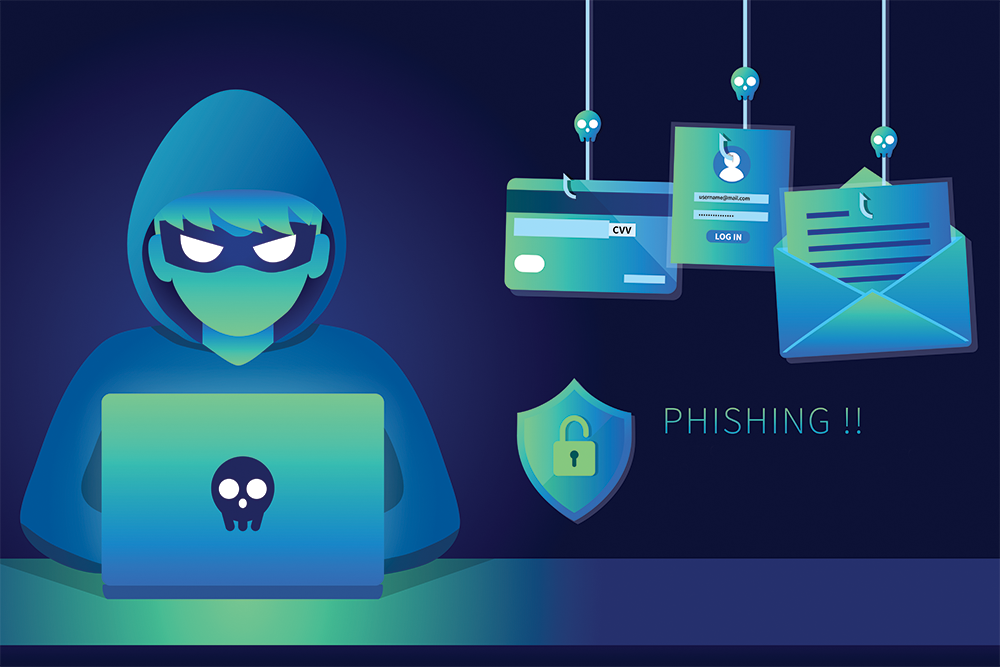
Phishing is one of the newest and most dangerous online threats that have pervaded businesses and private accounts in recent years. Reports show that phishing attacks this year are 70% higher than the total number of attacks reported last year.
A Brief Explanation of Phishing
What is phishing, anyway? How does it work, and why is it so dangerous for businesses? Phishing is a kind of cybercrime where a hacker essentially poses as a legitimate entity. They will send emails or forms to unsuspecting individuals, hoping to lure these potential victims into providing confidential information. The hackers usually aim to get credit card numbers, usernames and passwords, social security details, and banking info. Many will also create fake websites so that if someone clicks on their links, they will seem like genuine links.
Phishing scams have improved considerably over the years, and today, most victims are not even aware that a virus has infiltrated them until the damage starts.
Different Styles of Phishing
In the beginning, phishing happened through emails, but recently, hackers have expanded their channels and are now attacking from more diverse angles. There are three main types of phishing used today. As a business owner, learn about these attacks to protect your company accordingly.
Spear Phishing
This threat is the most common type of phishing used today because it is very effective. Reports show that over 90% of phishing attacks are of this nature. The attack aims at specific targets, and the hackers have prepared for it beforehand by gathering information about the target to make their snare more convincing.
Clone Phishing
This type of phishing involves cloning or duplicating legitimate emails that the recipient has already received and turning them into system infiltration tools. The hackers copy the original emails, subtly replacing the valid URLs with malicious links. They also use a recipient’s email address similar to the original so that the entire email looks legit. They will then send this fake email to the targets in the guise of being a resend or an updated version of the previous email.
Whaling
Hackers target these phishing scams at executives or high management of a company, not just any random employee. Hence, the term “whaling” as it targets the “big fish” of the business. The tone and content of these phishing emails are also very different. To blend in with other emails, they take the form of customer complaints, top-level office matters, or even subpoenas. They come with the illusion of urgency, so the executives who receive them feel compelled to click on the link as instructed, which is a malicious link.
Protect Your Business through Employee Training
Your protection against phishing threats depends on your employees’ knowledge of these threats. If your employees are careless about clicking links, you might as well hand your data to hackers. The simple solution is to train your employees. Teach them how to identify a phishing scam. Equip them with the skills to handle an attack.