
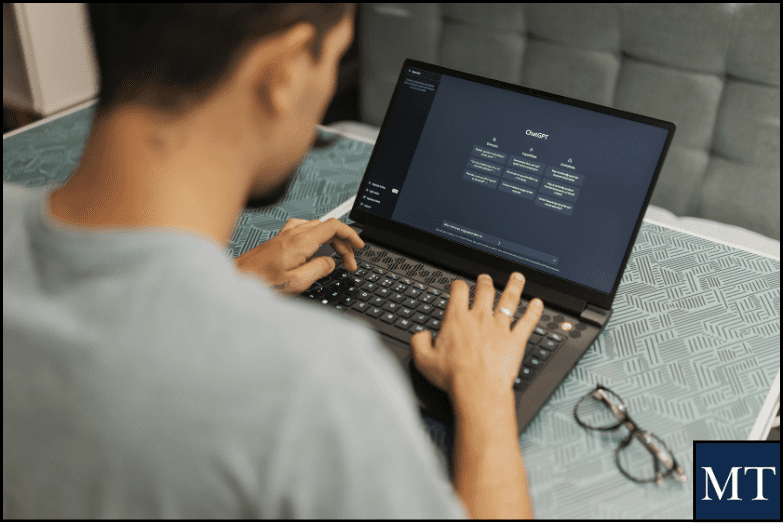
Artificial Intelligence has entered everyday life in powerful ways, from chatbots on our phones to advanced analytics in the boardroom. But not all AI is built or should be used the same way. The biggest distinction lies in personal AI vs business AI. Each serving very different purposes, safety standards, and outcomes. Understanding this divide can help both individuals and organizations use AI more effectively and safely.
Personal AI, sometimes referred to as AI for consumers or AI for personal use, is designed for everyday tasks. Think of voice assistants like Siri or Alexa, productivity tools that summarize emails, or apps that generate quick images or text. The goal of personal AI is accessibility, making AI easy to use for non-technical individuals. These tools prioritize convenience and speed, often at the expense of advanced security or strict governance.
Business AI, also called enterprise AI or AI for businesses, is built for organizational needs. It powers applications like fraud detection, predictive maintenance, data-driven decision-making, and customer service chatbots at scale. Unlike personal AI, business AI integrates deeply into company systems. It requires strict security controls, compliance with industry regulations (like HIPAA or GDPR), and scalability to serve hundreds or thousands of users. Business AI solutions are often customized, audited, and backed by service-level agreements to ensure reliability.
Key Differences Between Personal and Business AI
Although both fall under the umbrella of artificial intelligence, the differences between personal AI and business AI are significant. Personal AI is designed primarily for convenience, helping individuals’ complete tasks quickly and efficiently. These tools are generally standardized, offering the same functionality to all users with little to no customization. By contrast, business AI focuses on driving organizational efficiency, security, and compliance. It is often built to scale across departments or entire enterprises and is tailored to meet the specific needs of a company. Data handling is another clear distinction: while personal AI may process information in broad, generalized ways, business AI relies on strict data protections such as encryption, access controls, and compliance frameworks.
The result is that business AI operates with much greater accountability and reliability, making it better suited for environments where sensitive information and large-scale operations are at stake.
Safety and Governance: Why the Gap Matters
The divide between personal AI and business AI becomes even more apparent when safety is considered. Consumer-grade personal AI tools often lack advanced protections, which can leave data exposed or stored in ways that are outside a user’s control. Privacy practices vary widely, and individuals may not always be aware of where their data is going or how it is being used.
On the other hand, business AI is built with governance at its core. Features like audit trails, multi-factor authentication, compliance reporting, and data residency controls are standard requirements rather than optional add-ons. These safeguards are critical for protecting intellectual property, maintaining customer trust, and ensuring adherence to regulations such as HIPAA or GDPR. Relying solely on personal AI tools to handle sensitive or mission-critical information can introduce serious risks, ranging from data breaches to regulatory violations. Business AI exists to close that gap and provide a safer, more reliable framework for innovation.
When to Use Personal vs Business AI
Personal AI is best for quick tasks, brainstorming, scheduling help, or personal productivity. Business AI is essential for handling sensitive company data, automating core business functions, or ensuring compliance with industry standards.
A good rule of thumb: if the task involves confidential information, customer data, or mission-critical processes, business AI should always be the choice.
Final Thoughts
AI is here to stay, but not all AI is created equal. The difference between personal AI and business AI comes down to safety, scale, and purpose. Personal AI empowers individuals with convenience, while business AI ensures organizations can innovate securely and responsibly. For business leaders, the key is to recognize when consumer-grade tools won’t cut it—and to invest in AI solutions designed with security, compliance, and long-term scalability in mind.
Have more questions about this topic? We’re here to help. Contact us for answers, guidance, or support.