
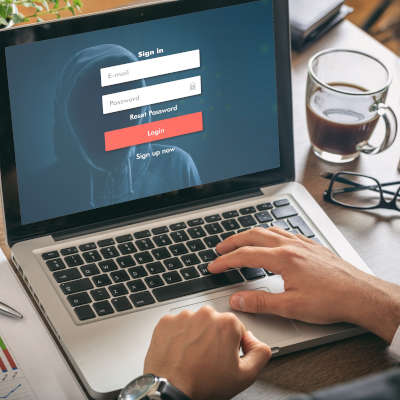
When it comes to protecting your business, cybersecurity is a huge consideration that must be kept in mind. However, it isn’t the only consideration. Some of the biggest threats to your business can actually come from your own team. Let’s go over the three kinds of insider threats that you need to be on your guard against, and how to avoid them.
Accidents
As cliché as it sounds, everyone makes mistakes. Accidents happen. Maybe data was sent to the wrong recipient by mistake, or someone spilled their morning cup of joe in the wrong place. Whatever the case, it is often avoidable through some proactive education in company policy and practices. Even the most thorough security policies won’t do you any good if your employees aren’t aware of them, or how to properly follow them.
Negligence
The most common insider threat, this is similar to the accidents that happen in the office, with one notable difference: these incidents could have been avoided if your employees had just paid more attention. Data being misplaced or misfiled in your company’s database, mindlessly clicking a malicious link, or leaving their mobile device unattended in public places are all clear examples of user negligence. While not intended to do damage to the company, it is still much more serious than an office accident and should be addressed appropriately.
Malicious Threats
This is the situation you are dealing with when one of your employees actively sets out to damage your company, or profit for themselves at the company’s expense. A malicious insider might steal your data and try to sell it. Some might intentionally introduce malware into your infrastructure as a means of sabotage. While not as common as the other forms, these are a very real type of insider threat that need to be prepared for.
Spotting Malicious Insider Threats
While many insider threats can be challenging to spot, there are a few tell-tale signs that should signal that you might have an issue, or are at least vulnerable to one.
- User Activity – When a user has excessive access to your network compared to their role in the business, it is wise to keep an eye on their behavior while on the network. Unnecessarily accessing sensitive information is almost never done with good intentions.
- Traffic Spikes – If your network traffic spikes for some reason that you can’t identify, you need to investigate and root out the cause.
- Event Times – Additionally, if your traffic is spiking at odd times, when there shouldn’t be much network traffic, you will want to find out why that is.
Preventing Insider Threats
There are a few ways that you can help minimize and mitigate the likelihood of any attacks being successful to your business. Fortunately, they are all somewhat straightforward:
- Keep activity visible. Using your available data, you need to keep an eye on your employees’ behaviors and hold them accountable for them.
- Put policies in place. Establishing documented policies that clearly outline your expectations of your employees’ behavior regarding the business’ technology and making them readily available allow you to enforce these policies more effectively.
- Train your team. As we said before, most incidents are caused either by accident or through your employees’ negligence. Training your staff will help reduce the frequency of such threats.
- Put access controls in place. Limit the access your employees have to the data that they need for their specific role. Not only will you keep your employees more focused on their tasks, sabotage and data theft can be made less likely.
Macatawa Technologies can help you protect your operations from threats, “insider” and out. To learn more, give our team a call at 616-394-4940.